Solsikketrykk polybomullsstoff for Sarong — et levende stoff inspirert av solsikker, som utstråler energi og lysstyrke. Laget av myk polybomull, er...
See Details


Sørøst-Asias nasjonale tradisjonelle Sarong-stoffveiledning
Bransjenyheter-« nasjonalt tradisjonelt sarongstoff ” over hele Sørøst-Asia fellerstås best som en familie av wraptekstiler - oftest saronglange kluter laget i signaturteknikker som batikkk , ikat , og songket , each tied to specific countries, ceremonies, and weaving communities. Indonesian batik, for example, is formally recognized by UNESCO as intangible cultural heritage (inscribed in 2009). :contentReference[oaicite:0]{index=0}
Det som regnes som "sarongstoff" i Sørøst-Asia
In Southeast Asia, “sarong” can mean either a tubular garment or a rectangular cloth wrapped and secured at the waist. The fabric is often decorated using batik or ikat methods, or woven as brocade-like luxury cloth (songket). :contentReference[oaicite:1]{index=1}
Praktiske størrelser du faktisk vil se i butikker
Størrelser varierer etter land og plaggstil, men disse referansene fra den virkelige verden hjelper deg å kjøpe riktig:
- Myanmar longyi: ca 2 m lang og 80 cm bred , commonly sewn into a cylinder. :contentReference[oaicite:2]{index=2}
- Kambodsjansk sampot chang kben (en innpakket, bukselignende drapering): sitert som en rektangulær klut ca 3 m lang og 1 m bred . :contentReference[oaicite:3]{index=3}
- Sør-Filippinene malong: beskrevet som ca 4 meter lang og ~50 tommer høy (often tubular). :contentReference[oaicite:4]{index=4}
De tre hjørnesteinene "nasjonale tradisjonelle sarongstoffer"
Hvis du vil ha en selvtillit, kulturelt forankret match med «Sørøst-Asia nasjonalt tradisjonell sarongstoff», er dette de tre teknikkene du oftest vil møte på tvers av land og formelle kleskontekster.
| Stoff / teknikk | Hvordan den er laget | Visuell pekepinn | Beste brukstilfelle |
|---|---|---|---|
| Batikk | Voksbestandig farging på klut; dyp motivsymbolikk | Skarpe motivkanter; repeterende symbolske mønstre | Daglig slitasje til seremonier; ikonisk i Indonesia |
| Ikat | Motstå farging på garn før veving | Myke "uskarpe" eller fjærkledde mønsterkanter | Slitesterk vikle kluter; kulturarv veving over hele regionen |
| Songket | Håndvevd med ekstra veft med metalltråder | Skimrende gull/sølv motiver (brokadeeffekt) | Bryllup, statlige anledninger, formell antrekk (malayisk verden) |
Indonesian batik is internationally recognized by UNESCO for its techniques, symbolism, and cultural role (inscribed in 2009). :contentReference[oaicite:5]{index=5} Ikat is widely described as a Southeast Asian-origin resist-dye method applied to yarns prior to weaving, producing its characteristic softened pattern boundaries. :contentReference[oaicite:6]{index=6} Songket is consistently defined as a handwoven textile with gold or silver threads, historically spread across the Malay world (including Indonesia, Malaysia, Brunei). :contentReference[oaicite:7]{index=7}
Hvordan identifisere autentisk sarong-stoff vs turisttrykk
Du trenger ikke å være en tekstilekspert – bruk noen få høysignalsjekker som kartlegger direkte hvordan disse stoffene er laget.
Batikk: se etter prosess-"fingeravtrykk", ikke bare motiver
- If a piece is marketed as heritage batik but the pattern looks perfectly uniform on both sides with no dye-depth variation, it may be a surface print rather than a resist-dyed cloth (batik is defined by technique and cultural practice, not just visual style). :contentReference[oaicite:8]{index=8}
- Ask for the technique: sellers who can describe wax-resist steps and motif meaning usually deal in higher-integrity work, consistent with UNESCO’s framing of batik as technique symbolism culture. :contentReference[oaicite:9]{index=9}
Ikat: "uskarpheten" er en funksjon, ikke en feil
Ikat’s hallmark is that yarns are resist-dyed before weaving, so the pattern alignment naturally creates slightly feathered edges; a perfectly sharp, pixel-like ikat motif can indicate digital printing. :contentReference[oaicite:10]{index=10}
Songket: bekrefter metallisk trådveving, ikke metallisk blekk
Songket is described as a handwoven fabric where metallic threads are inserted as supplementary weft, producing a true raised shimmer. If the shine disappears when you tilt it and the surface feels flat like ink, treat “songket” as a marketing label rather than a weaving structure. :contentReference[oaicite:11]{index=11}
Landsspesifikke eksempler som kartlegger "nasjonal tradisjonell" bruk
Sørøst-Asia er mangfoldig, men noen sammenkoblinger er spesielt stabile hvis du vil ha eksempler på "nasjonalt tradisjonelt sarongstoff" for reiser, gaver eller kulturklær.
- Indonesia: Batik is a nationally emblematic textile tradition recognized by UNESCO (2009). :contentReference[oaicite:12]{index=12}
- Myanmar: Longyi (en saronglignende omslag) er mye slitt; vanlig referansestørrelse er ~2 m × 80 cm . :contentReference[oaicite:13]{index=13}
- Malayisk verden (Malaysia / Brunei / deler av Indonesia): Songket is a signature ceremonial fabric woven with gold or silver threads. :contentReference[oaicite:14]{index=14}
- Kambodsja: Tradisjonelle draperte tøysystemer inkluderer sampotformer; et dokumentert eksempel er en rektangulær duk ~3 m lang og 1 m bred for sampot chang kben. :contentReference[oaicite:15]{index=15}
- Sør-Filippinene: Malong er et rørformet plagg; en referert størrelse er ~4 meter lang og ~50 tommer høy . :contentReference[oaicite:16]{index=16}
Kjøpssjekkliste: velg riktig stoff for varme, seremoni og budsjett
Bruk dette som et praktisk beslutningsverktøy når du handler på markeder eller online oppføringer.
Hvis du trenger en hverdagssarong
- Velg pustende bomull eller bomullsblanding; prioriter komfortabel bredde/lengde nær regionale normer (f.eks. longyi-referanser rundt 2 m × 80 cm ). :contentReference[oaicite:17]{index=17}
- For ikat, accept minor pattern “softness” as normal for yarn-resist weaving. :contentReference[oaicite:18]{index=18}
Hvis du trenger en seremoniell / formell tekstil
- Velg songket when you want visible prestige—its defining feature is supplementary weft metallic threads (gold/silver). :contentReference[oaicite:19]{index=19}
- Velg culturally grounded batikkk when motif meaning matters; UNESCO specifically frames batik as technique symbolism embedded in life events. :contentReference[oaicite:20]{index=20}
Raske kvalitetsspørsmål å stille en selger
- Is it wax-resist dyed (batik), yarn-resist woven (ikat), or metallic-thread woven (songket)? :contentReference[oaicite:21]{index=21}
- Hva er den nøyaktige størrelsen i cm eller meter (ikke stol på «one size»)? Bruk referanser som ~2 m × 80 cm for longyi-type wraps. :contentReference[oaicite:22]{index=22}
- What fiber is it (cotton vs silk)? Songket is commonly described as silk or cotton with metallic threads. :contentReference[oaicite:23]{index=23}
Pleie og oppbevaring: Hold tradisjonelt sarong-stoff brukbart i årevis
Traditional sarong fabric longevity depends on matching care to construction—especially for dyed surfaces (batik), yarn-dyed weaves (ikat), and metallic-thread structures (songket). :contentReference[oaicite:24]{index=24}
- For batik: avoid harsh detergents and prolonged direct sun; batik is defined by hand-applied resist and dyed cloth culture, so treat it as a dyed textile, not a “printed towel.” :contentReference[oaicite:25]{index=25}
- For ikat: hand-washing reduces abrasion on yarn-dyed patterning created before weaving. :contentReference[oaicite:26]{index=26}
- For songket: store folded with soft tissue or cloth layers to reduce snag risk on metallic threads inserted during weaving. :contentReference[oaicite:27]{index=27}
Bunnlinjen: det beste "nasjonale tradisjonelle sarongstoffet"-valget
Hvis du trenger ett svar med høy troverdighet: velg indonesisk batikk for den mest anerkjente nasjonale tradisjonelle sarongstoffreferansen (UNESCO-innskrevet i 2009), og velg songket or ikat when your goal is respectively formal prestige or heritage weaving identity across Southeast Asia. :contentReference[oaicite:28]{index=28}
Beslektet produkter
-
-
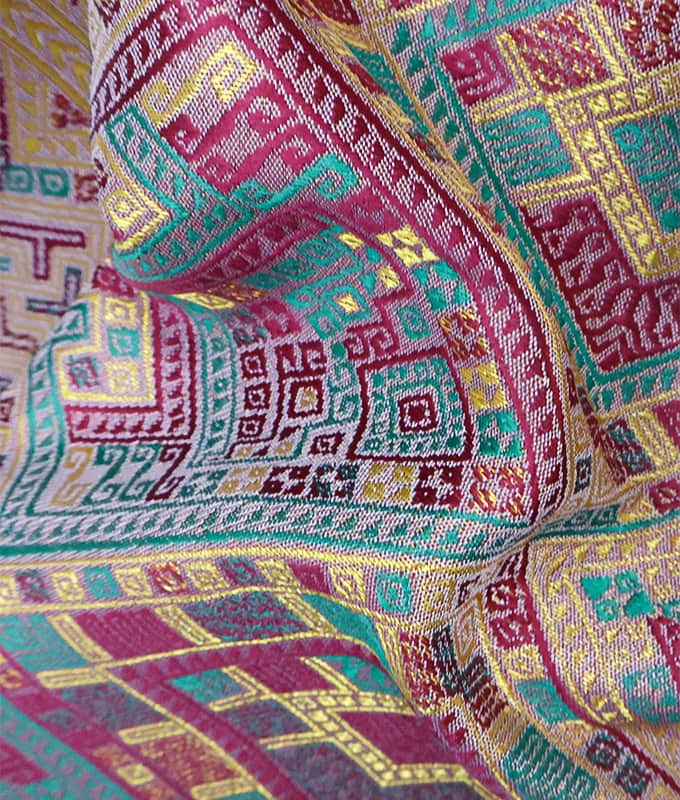
Silkelignende polyester jacquardstoff for Thai Pha Sinh Sarong — som kombinerer elegansen til silkelignende tekstur med høypresisjon jacquardhåndve...
See Details -
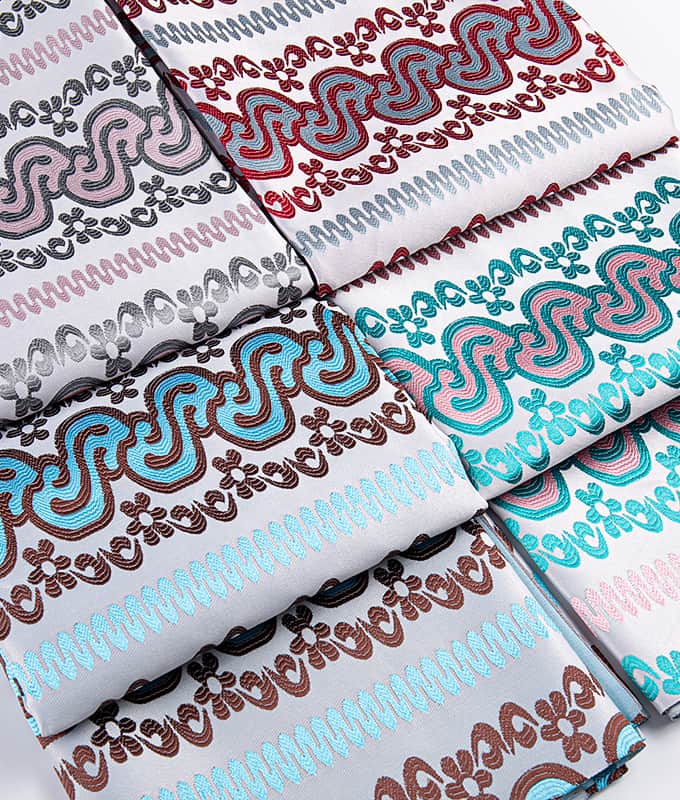
Det S-formede 3D-teksturerte Jacquard-stoffet i polyester for Sarong kombinerer eleganse med holdbarhet. Laget med avansert elektronisk jacquard-te...
See Details -
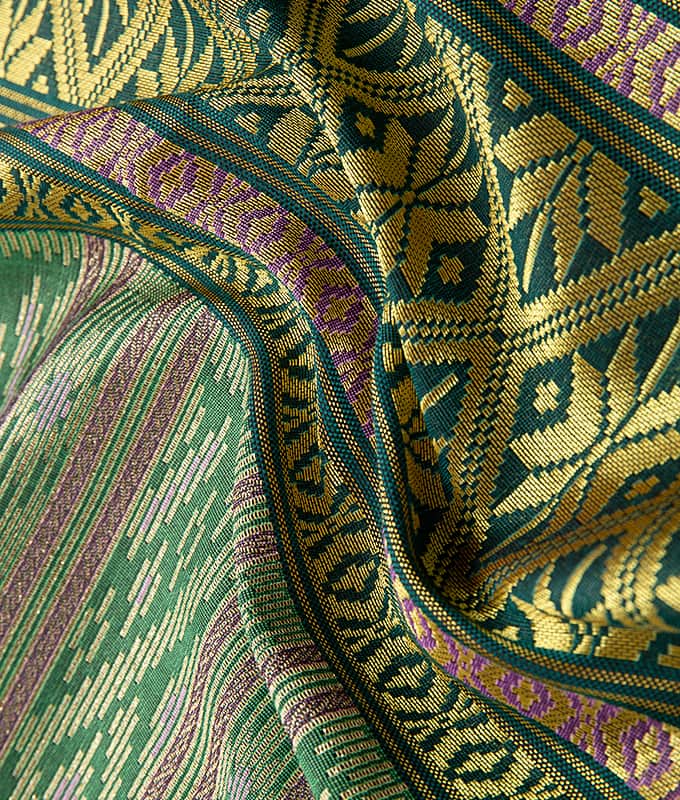
Vertical Stripe Gold Thread Poly-Cotton Stoffet for Sarong blander holdbarhet og komfort med et snev av eleganse. Med vertikalt arrangerte gylne st...
See Details -
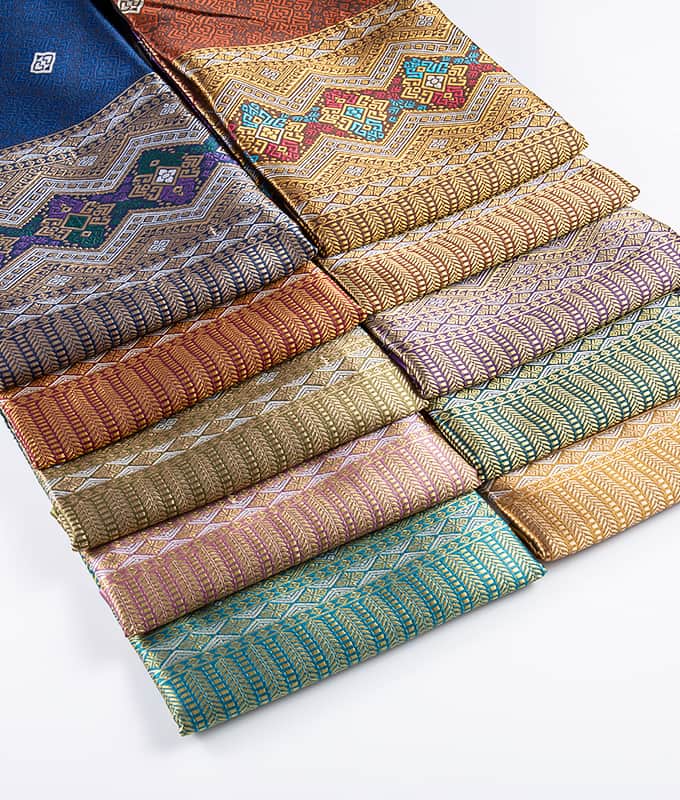
Polyesterstoffet for tradisjonelle sørøstasiatiske Sarong-skjørt bygger bro mellom arv og modernitet. Dette stoffet er forankret i kulturelle tradi...
See Details -
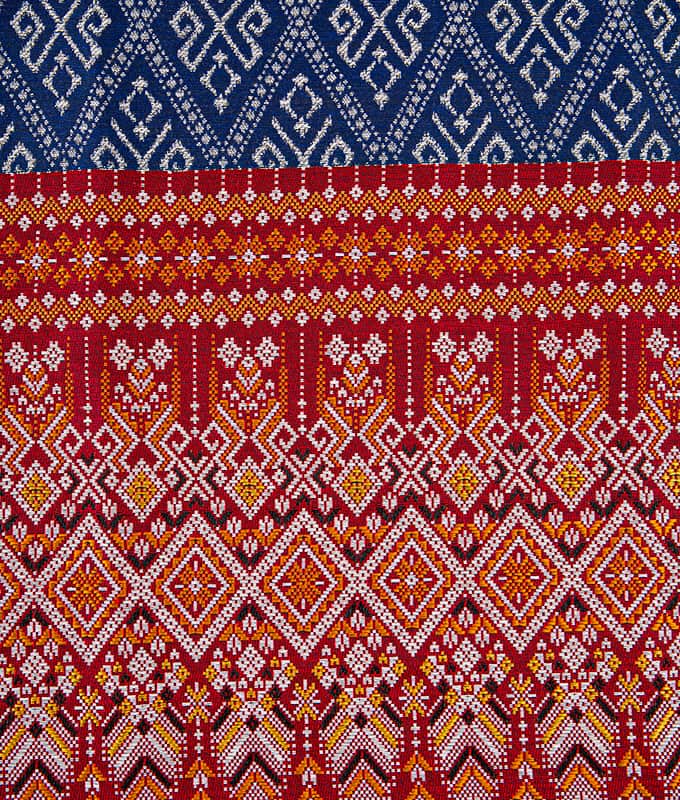
Håndsydd polybomullsstoff for Sarong – en raffinert blanding av stil og praktisk, laget for å gi tubeskjørt en jevn tekstur og en godt strukturert ...
See Details

